The Chuuni Corner

Anime reviews, Chuunibyou, and other writings

Review/discussion about: Death Parade

Lots of dolls, lots of games, but only minor execution

Lots of dolls, lots of games, but only minor execution

What does it mean to live? It’s a peculiar question because we all seemingly know the answer. For me, it’s hanging out with my family, writing anime reviews, and going to work. When it’s deconstructed into its base parts, my life really does sound “simple.” But in actuality, it’s complex, filled with events and happenings that shaped the very course I took. And it’s not just my life or anyone else’s, but the people within it that are complex, too. We’re an amalgamation of various emotions, ideals, and feelings that cannot be explained so easily. Death Parade demonstrates this very concept, providing the audience with a marginally successful outing.

Read the rest of this entry »

Review/discussion about: Isuca

This sums up how terrible Isuca is pretty darn well

This sums up how terrible Isuca is pretty darn well

Many people growing up, at one point or another, encounter a situation in which they have to “prove their worth.” Sometimes it’s small, like performing well on the job to earn a raise. Sometimes it’s huge, like saving someone from a fatal accident. But no matter the severity or the situation, accomplishing such a moment makes that guy or girl grow into an overall better person. And even if they don’t achieve their goal, the experience earned gives them the necessary tools to hopefully make that next opportunity one that’s more positive than the last. Isuca tries to work with this heartfelt message, but it turns out it can’t prove its worth since it’s worth nothing to begin with.

Read the rest of this entry »

Review/discussion about: Koufuku Graffiti

Only minimally tasty

Only minimally tasty

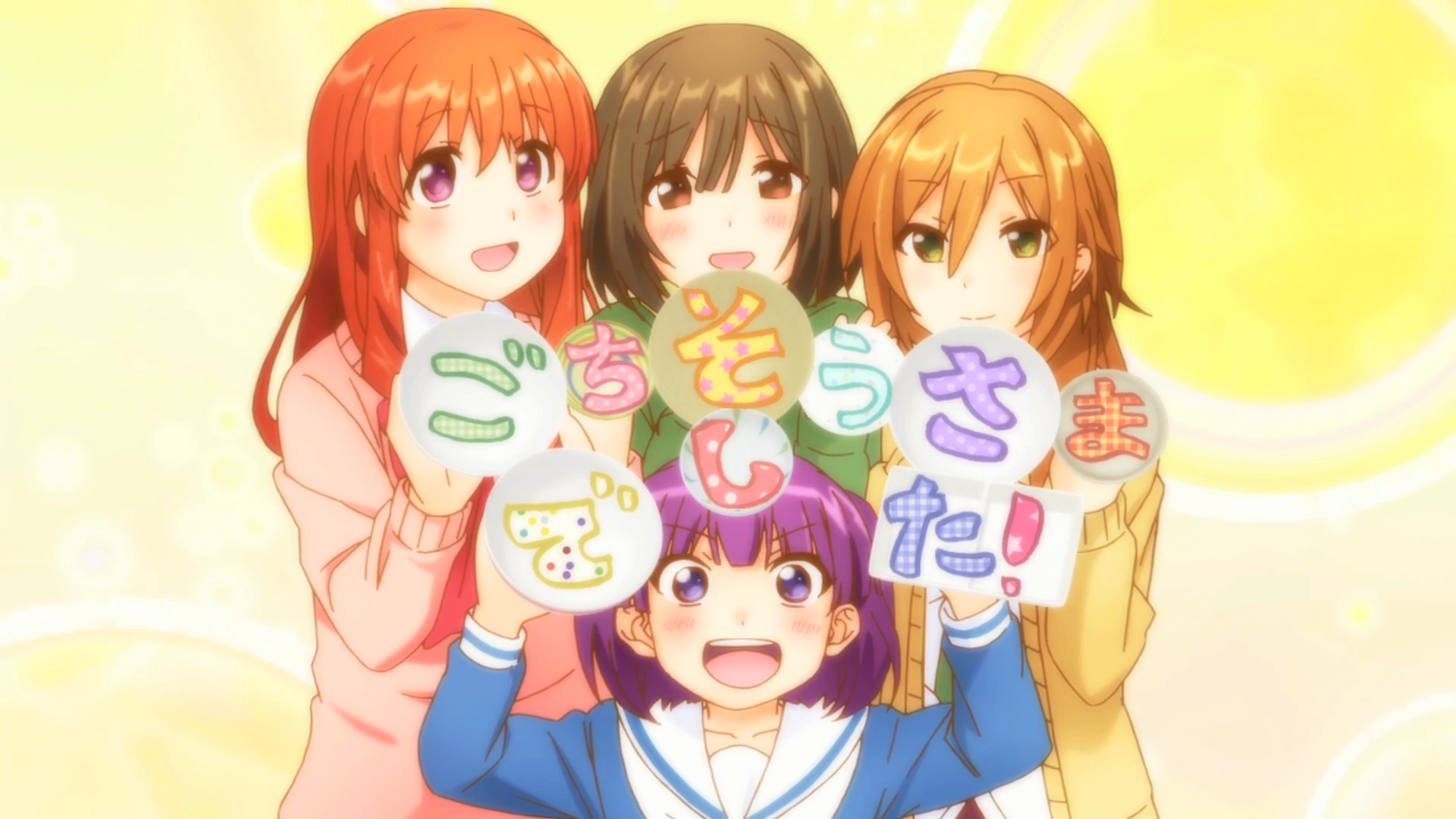
A basic need for all humans is food. It gives us the calories to expend the energy required to move the muscles we have to do the activities that get us through our daily lives. And it doesn’t matter what it is; be it a platter of chicken tenders or a cold bowl of ice cream, it’s food that helps us to live. My own parents’ specialty is a pork-infused hamburger cooked to perfection. Eating it not only tastes amazing but also reminds me of something important: that sharing a meal with the people we care about adds its own kind of flavor. This is the very message that Koufuku Graffiti provides – with some good looking but rather bland eats along the way.

Read the rest of this entry »

Review/discussion about: Yuri Kuma Arashi

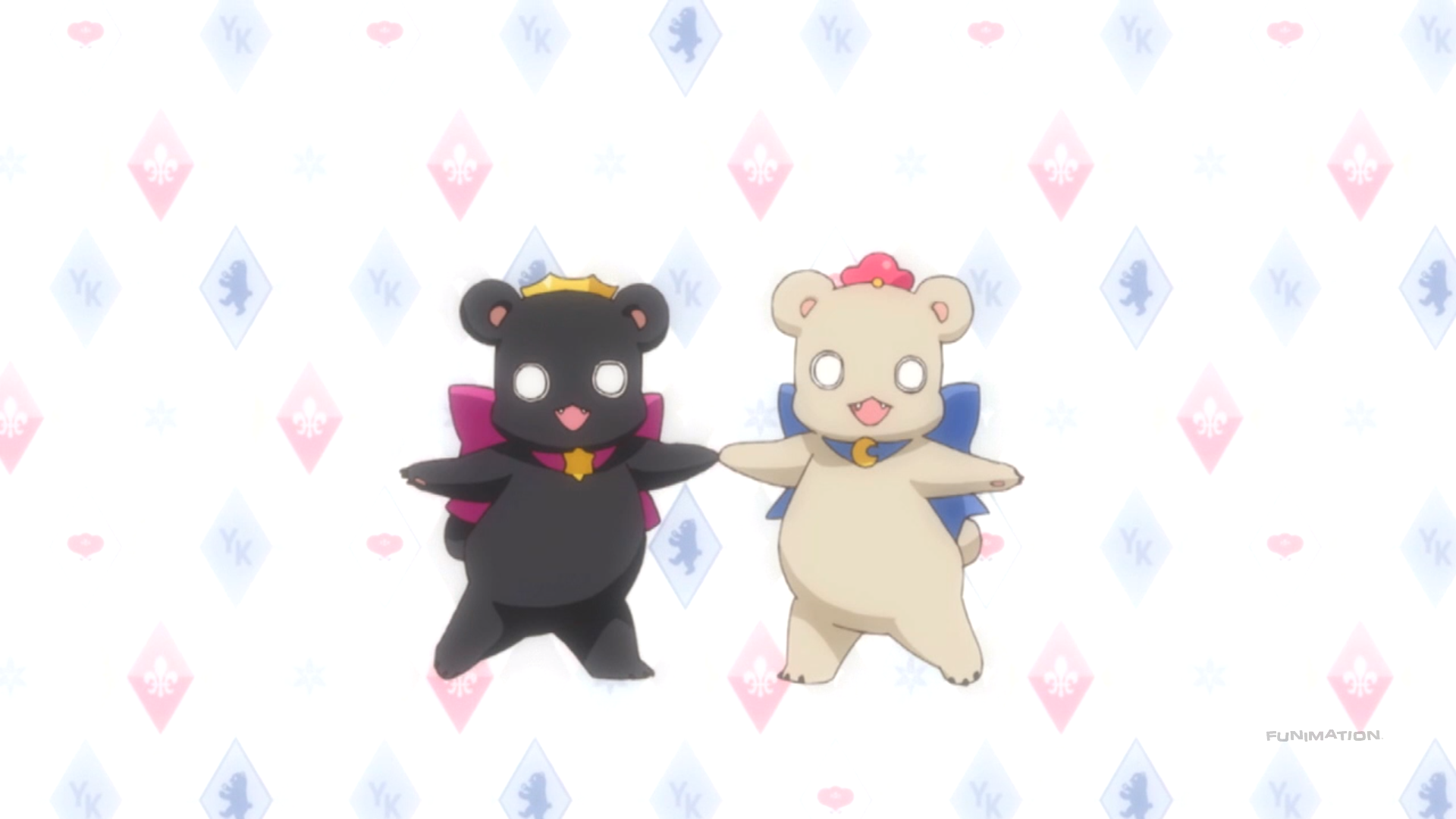
Gorgeous smell, indeed

Gorgeous smell, indeed

(As supplementary material for this review, please refer to my writing on the symbolism for this anime, Yuri Kuma Arashi and the Effects of Symbolism)

Love is such a simple word. But when you think about it, there is a lot more to it than at first perceived. Love can be used to bring someone wonderful happiness or utter sadness. Love can make you extremely nervous or completely at ease. Love can even be used to bring about total beauty or despondent sin. This omnipresent feeling is incredibly complex, being something that everyone feels in one form or another. Ultimately, though, it is a good feeling. But much like the symbols that this anime thrives on, its meaning morphs depending on the context. In other words, love is like a symbol where all of its roads, all of its interpretations, lead to a solitary destination. Yuri Kuma Arashi is founded on both love and symbolism, creating what can only be coined a masterpiece.

Read the rest of this entry »

Yuri Kuma Arashi and the Effects of Symbolism, Part 17

Symbols are, simply put, effective

Symbols are, simply put, effective

If you haven’t already, I highly suggest you head back and read everything that has been discussed up to this point and peruse the massive amount of symbolism that has been given. This anime is special and deserves as much attention as you can give it.

Today, we’ll simply be wrapping up what we have been building towards. We’ll talk about the anime’s overall themes, what the effects of symbolism have done for us, and some final thoughts on my experience through it all.

Last day, let’s go!

Read the rest of this entry »

Yuri Kuma Arashi and the Effects of Symbolism, Part 16

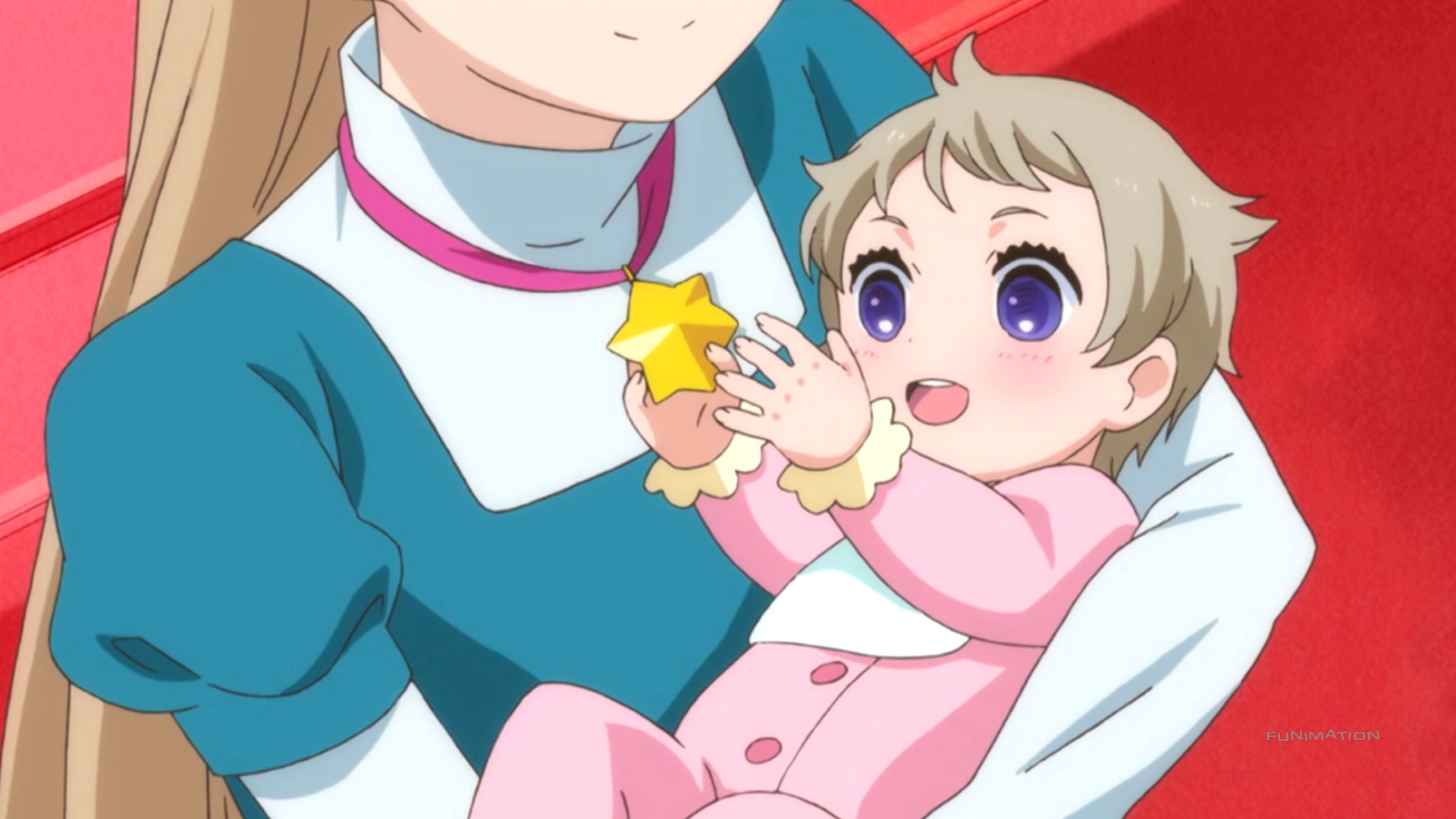
One doesn't need symbolism to understand how adorable baby Kureha is

One doesn’t need symbolism to understand how adorable baby Kureha is

If you haven’t already, I highly suggest you head back to Part 15 and peruse the symbolism for even more of the characters found throughout the anime. There we received symbolism in relation to cast members such as Eriko, Konomi, and Yuriika. And once again, each symbolizes many different facets, including love and sin, with each helping to clarify the themes that the anime has been using this entire time.

Today, we’ll be investigating Part C of the character study, the last section before the conclusion. This section contains symbolism for our two big leads, Kureha and Ginko, as well as the Life Bears and Lady Kumalia, who have been watching closely over the former two for the entirety of the anime. These are the last symbols to be looked at in-depth, so make sure to pay close attention once again to the ideas of love, sin, and mirroring that have been paramount in getting us to this point.

Day sixteen, let’s go.

Read the rest of this entry »

Yuri Kuma Arashi and the Effects of Symbolism, Part 15

More characters, more symbols

More characters, more symbols

If you haven’t already, I highly suggest you head back to Part 14 and peruse the symbolism for some of the characters found throughout the anime. There we received symbolism in relation to cast members such as Lulu, Ooki, and Mitsuko. Each symbolizes many different facets, including love and sin, with each helping to clarify the themes that the anime has been using this entire time.

Today, we’ll be investigating Part B of the character study. This section contains symbolism for some of the more important characters, such as Yuriika, while also delving into the symbolism for some of the minor but still equally compelling ones, such as Ai. Remember to keep in mind many of the characters’ own details, as well as the ideas ofsin and mirroring that Yuri Kuma Arashi constantly turns to, in order to make its themes that much more purposeful and powerful.

Day fifteen, let’s go.

Read the rest of this entry »

Yuri Kuma Arashi and the Effects of Symbolism, Part 14

The characters symbolize so much, you can practically hear it

The characters symbolize so much, you can practically hear it

If you haven’t already, I highly suggest you head back to Part 13 and peruse the symbolism from the OST. There we received symbolism that demonstrated the anime’s connections to the themes it has been presenting this entire time, while also gaining respect for how intricately designed the musical scores were for each of the situations they were found in.

Today, having completed the investigation of symbolism, the episode breakdowns, and the sound ideas, all that remains from the anime are the characters. Understanding who they are is important, but as or even more so than their actual persons are what they each symbolize in the grand scheme of things. They each mean something, both on their own and in relation to the theme of love as a whole.

Day fourteen, let’s go.

Read the rest of this entry »

Yuri Kuma Arashi and the Effects of Symbolism, Part 13

Music, like love, is a universal language

Music, like love, is a universal language

If you haven’t already, I highly suggest you head back to Part 12 and peruse the symbolism from the ending theme “TERRITORY.” There we received symbolism that showcased just how much focus the anime has been having on mirroring, with not even the OP and the ED being able to escape its gaze.

Today, having talked about both the OP and the ED, all that is left sound-wise is the original soundtrack, or OST. We’ll be investigating each individual piece, learning about the names they’ve been given, their purpose within the context of the show, the actual music they contain, and what kind of symbols can be discerned from their presence.

Day thirteen, let’s go.

Read the rest of this entry »

Yuri Kuma Arashi and the Effects of Symbolism, Part 12

Growl, growl

Growl, growl

If you haven’t already, I highly suggest you head back to Part 11 and peruse the symbolism from the opening theme, “I Have Been Waiting In That Forest.” There we received symbolism that not only foreshadowed the events of things to come within the show but also created connections with the very themes it touts.

Today, having talked about the OP at length, instead of moving on to the actual soundtrack we’ll instead transition to its counterpart, the ED. And remember that detail; it’s a counterpart because it is “the same but different.” In other words, as we move through this discussion, keep in mind the mirroring that the anime thrives on.

Day twelve, let’s go.

Read the rest of this entry »