The Chuuni Corner

Anime reviews, Chuunibyou, and other writings

Category: Winter 2015

Yuri Kuma Arashi and the Effects of Symbolism, Part 13
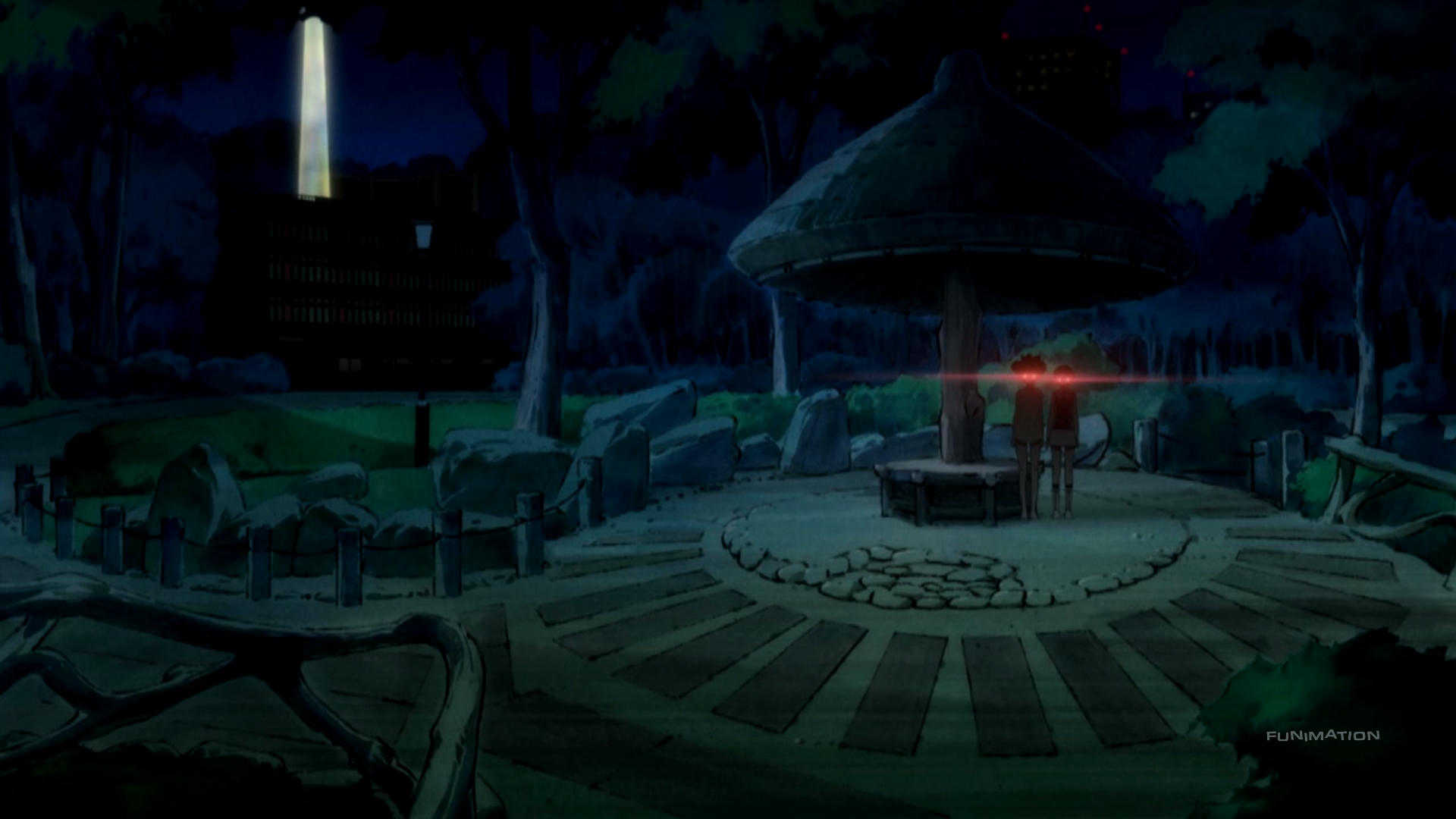
Music, like love, is a universal language

Music, like love, is a universal language

If you haven’t already, I highly suggest you head back to Part 12 and peruse the symbolism from the ending theme “TERRITORY.” There we received symbolism that showcased just how much focus the anime has been having on mirroring, with not even the OP and the ED being able to escape its gaze.

Today, having talked about both the OP and the ED, all that is left sound-wise is the original soundtrack, or OST. We’ll be investigating each individual piece, learning about the names they’ve been given, their purpose within the context of the show, the actual music they contain, and what kind of symbols can be discerned from their presence.

Day thirteen, let’s go.
Read the rest of this entry »

Yuri Kuma Arashi and the Effects of Symbolism, Part 12

Growl, growl

Growl, growl

If you haven’t already, I highly suggest you head back to Part 11 and peruse the symbolism from the opening theme, “I Have Been Waiting In That Forest.” There we received symbolism that not only foreshadowed the events of things to come within the show but also created connections with the very themes it touts.

Today, having talked about the OP at length, instead of moving on to the actual soundtrack we’ll instead transition to its counterpart, the ED. And remember that detail; it’s a counterpart because it is “the same but different.” In other words, as we move through this discussion, keep in mind the mirroring that the anime thrives on.

Day twelve, let’s go.

Read the rest of this entry »

Yuri Kuma Arashi and the Effects of Symbolism, Part 11

Time to make some noise

Time to make some noise

If you haven’t already, I highly suggest you head back to Part 10 and peruse the symbolism from the final episode, episode twelve. There we received symbolism that solidified the show’s themes, while simultaneously leaving us with an everlasting message of hope.

Now that we’ve analyzed nearly everything within the episodes of Yuri Kuma Arashi, you might be asking yourself: what could possibly be left? There are essentially three more sections to cover: the sound used throughout the show, the characters that populate it and what they symbolism, and lastly my final thoughts formed by looking at the entire anime as one, complete entity.

Today, we’ll start focusing on the sound that the anime has to offer. More specifically, the OP. There will be a brief look at the song itself, followed by a deeper peering into the lyrics that overlap it. There are actually quite a few intriguing pieces of information that can be gleaned from this one track alone (the same applies to the ED), besides it just being a stunning piece to listen to.

Day eleven, let’s go.

Read the rest of this entry »

Yuri Kuma Arashi and the Effects of Symbolism, Part 10

Love and hope prevail

Love and hope prevail

If you haven’t already, I highly suggest you head back to Part 9 and peruse the symbolism from episode eleven. There we received symbolism that had us look at abuse, beliefs, and even death itself.

Today, we’ll be taking a look at the last episode, episode twelve. In the finale of the series, Yuri Kuma Arashi not only ends its own story but solidifies the themes it has been working with the entire time. Prejudice is defeated, love wins because of us, and a final, simple message sends us away thinking that there is still hope for tomorrow. Alongside episodes six and nine, this one stands as one of the best.

Day ten, let’s go.

Read the rest of this entry »

Yuri Kuma Arashi and the Effects of Symbolism, Part 9

Read the rest of this entry »

Yuri Kuma Arashi and the Effects of Symbolism, Part 8

The Door and The Wall take the spotlight

The Door and The Wall take the spotlight

If you haven’t already, I highly suggest you head back to Part 7 and peruse the symbolism from episode nine. There we received symbolism that showcased Ikuhara’s genius direction while also providing us with a look at love’s often-times sinful ways.

Today, we’ll be taking a look at just episode ten. This episode is surprisingly lacking in grounded symbolism, acting more as setup for the finale that is about to unfurl. At this point, though, it’s finally prudent to take a look at the repetitive nature of the show itself as well as one of the symbols that has been looming over us since the beginning and will continue to do so when all is said and done.

Day eight, let’s go.

Read the rest of this entry »

Yuri Kuma Arashi and the Effects of Symbolism, Part 7

Love and sin go hand-in-hand

Love and sin go hand-in-hand

If you haven’t already, I highly suggest you head back to Part 6 and peruse the symbolism from episode eight. There we received symbolism that aided in characterizing Yuriika to the maximum, allowing us to see exactly why she has been going about targeting Kureha and Ginko for a good part of her life.

Today, we’ll be taking a look at just episode nine. This is a shorter part in the series for a reason: to highlight the masterful execution in the symbols shown and direction done by Ikuhara. Like episode six, what is presented is nothing less than amazing. It stands as one of the best episodes from the series, serving as a prime example of what symbolism can really do.

Day seven, let’s go.

Read the rest of this entry »

Yuri Kuma Arashi and the Effects of Symbolism, Part 6

Too many boxes to count

Too many boxes to count

If you haven’t already, I highly suggest you head back to Part 5 and peruse the symbolism from episode seven. Its talk about racism, religion, and remembrance is not only vastly interesting but wholly important for the rest of what the show has to offer.

Today, we’ll be going through just episode eight. This one continues with the idea of racism in a rather strange way, even for Yuri Kuma Arashi’s standards. Beyond that, and as becomes quite apparent, this is an episode dedicated to Yuriika: who she is, where she comes from, and most of all why she is acting the way that she is.

Day six, let’s go.

Read the rest of this entry »

Yuri Kuma Arashi and the Effects of Symbolism, Part 5

Stop the "Exclusion"

Stop the “Exclusion”

If you haven’t already, I highly suggest you head back to Part 4 and peruse the symbolism from episode six. It not only aides in switching the thematic focus from sexual discrimination to racism but is also an extraordinary look at what symbolism is capable of doing.

Today, we’ll be going through just episode seven. This episode gives us development for both Kureha and Ginko while simultaneously providing us with a better understanding of racism, religion, and remembrance. While not as strong as the previous episode, it still has a lot to say in regards to the underlying themes it presents.

Day five, let’s go.

Read the rest of this entry »

Yuri Kuma Arashi and the Effects of Symbolism, Part 4

Not even a Bear Flash can blind us from this symbolism

Not even a Bear Flash can blind us from this symbolism

If you haven’t already, I highly suggest you head back to Part 3 and peruse the symbols from episodes four and five. The former gives you a lot in regards to Lulu’s characterization and development while the latter does the same but for Ginko and Kureha. They’re important episodes – realistically, they all are – that help to let us, the audience, understand where the main players are coming from. So it’s vital that such motivations are understood before moving forward.

Today, we’ll be going only through episode six. This is one of the, if not the, strongest episode(s) in the series in terms of its symbolism, character development, narrative, direction, and overall execution. If you only read one part of my essay, I would be inclined to have you read this one; that is how masterfully done it is.

Day four, let’s go.

Read the rest of this entry »